How We Helped a Wine ERP Stop Losing Weekends to Data Cleanup
30,000 messy wine entries. Weekends lost to manual fixes. Here's how we turned it around.

Feb 10, 2026
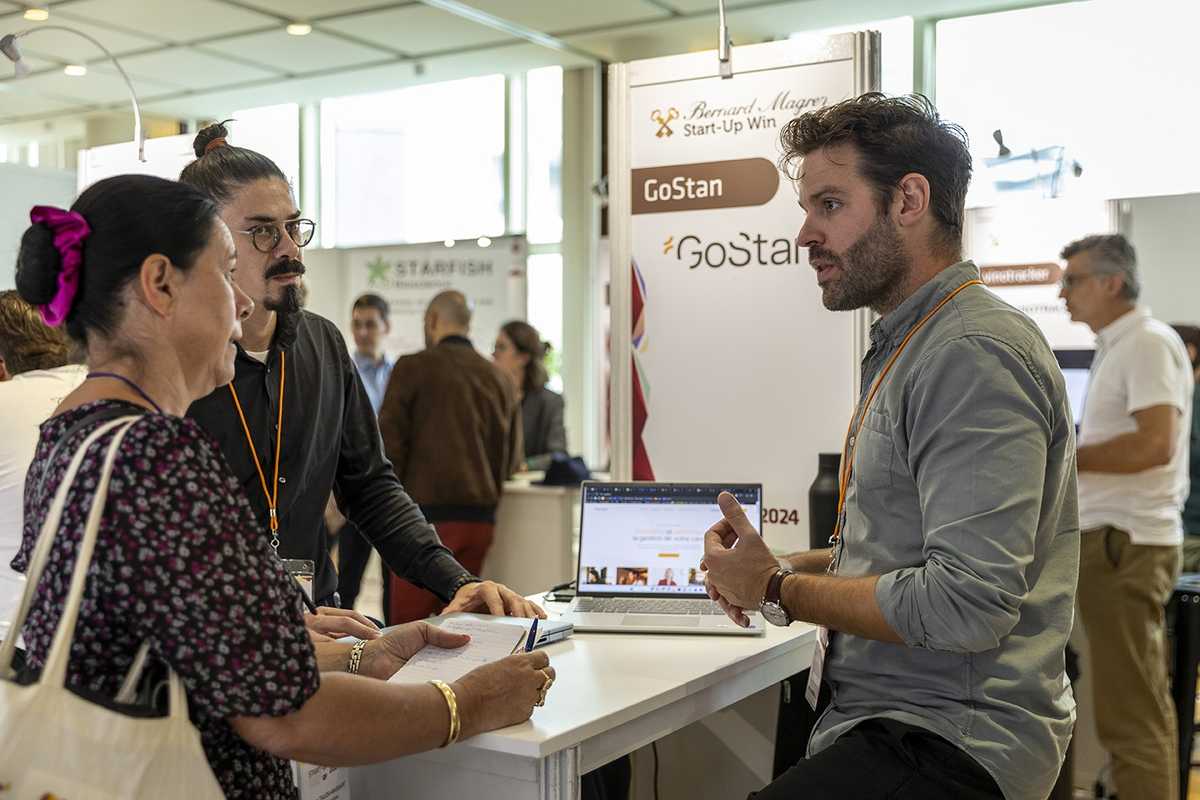
Alexis runs Gostan, a wine inventory management system based in Bordeaux. His clients are restaurants and wine bars: places where a sommelier needs to trust the catalogue, update stock in seconds, and never tell a guest "actually, we're out of that one."
The problem? Every new client onboarding meant thousands of messy data lines. Wine names spelled three different ways. Producers with typos. Designations that almost matched but not quite.
Each integration could eat up entire evenings and weekends. Time Alexis should have spent growing his business. Or with his family.
The Real Cost of Messy Data
This wasn't just annoying, it was costing money. When "Château Margaux 2018" exists as three separate entries, you get:
- Missed sales (stock shows zero when it's actually available)
- Confused clients
- Hours of manual reconciliation
Alexis and his team were tired. They'd tried the usual tools. Nothing worked well enough on wine data, too many legitimate near-duplicates, too much domain complexity.
What We Built Together
We approached this in two phases.
Phase 1: Clean the existing data
30,000+ wine entries. We built a pipeline combining:
- RAG to cross-check names against reference databases and surface likely canonical matches
- A classifier to detect near-duplicates and explain why two entries probably refer to the same wine
- LLMs to generate clean, standardized records (producer, designation, vintage)
- Semantic clustering to group similar entries beyond simple string matching
The key: an Excel-based review workflow. Alexis's team could validate fixes quickly before importing into the ERP. AI proposes, humans approve.
Phase 2: Make onboarding painless
Now when a new client arrives with their chaotic spreadsheet, the pipeline handles the heavy lifting. What used to take a weekend takes a fraction of the time.
What's Next
We're now exploring image-based inventory updates—snap a photo, update the catalogue. The goal: make inventory management seamless for Alexis and his clients.
All of this runs on proprietary, private model pipelines. Wine data stays wine data.
If you're dealing with messy product catalogues, inconsistent naming, or painful client onboarding—this is exactly the kind of problem AI handles well. Reach out if you want to explore what's possible.