Artnet Pro · Industrial equipment sales & field service · San Jose, California
Artnet Pro: from a shipping workbook to one platform that runs the business, with Claude and Gemini plugged in
Artnet Pro, a San Jose company that sells, installs and services industrial manufacturing equipment, ran its shipping on one shared Excel workbook. Reflekt Lab had its replacement in production the day after receiving the file. Seven weeks later the same platform runs service calls, field visits, quotes, work orders and QuickBooks invoicing, and the team can work in it from Claude or Gemini.
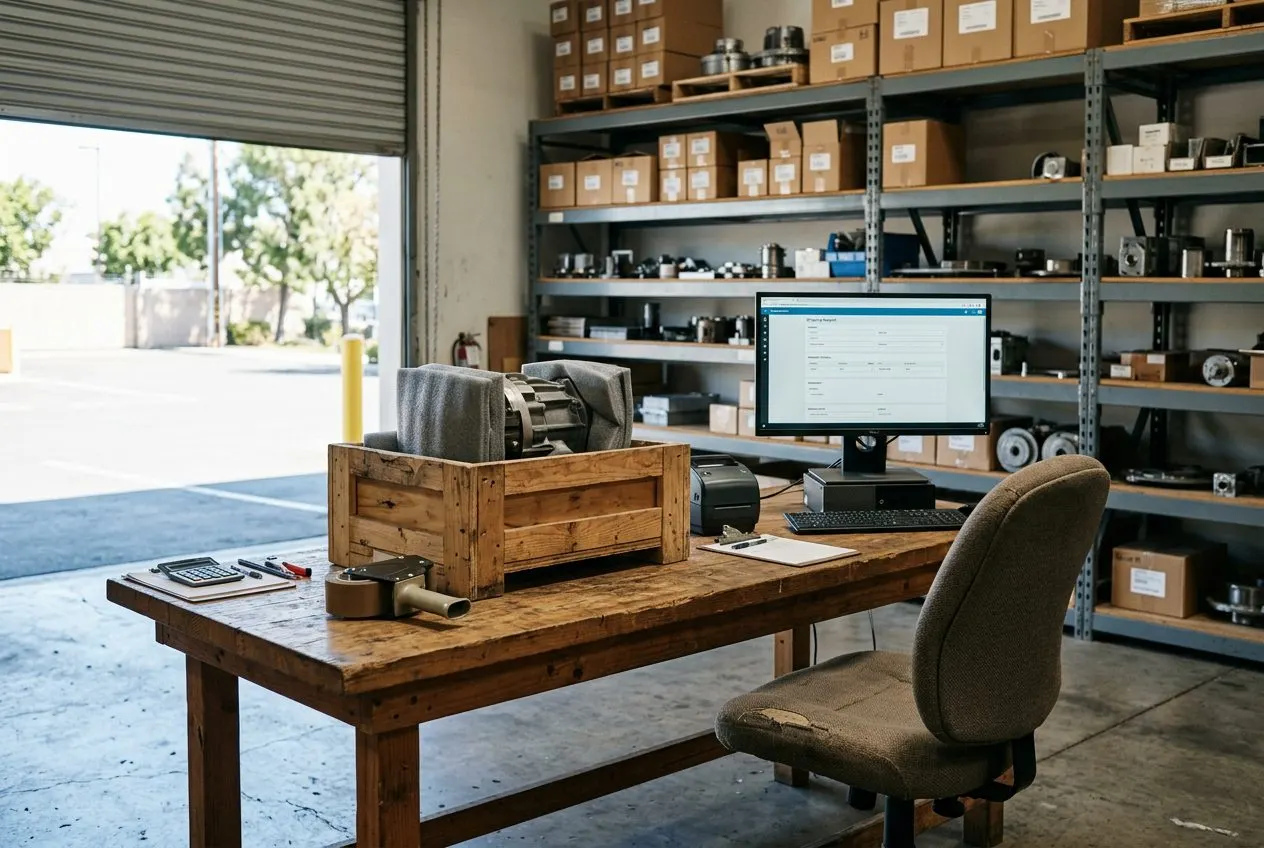
Artnet Pro came to Reflekt Lab with one problem: shipping lived in a shared Excel workbook. Reflekt Lab had its replacement live the day after receiving the file, and it then grew, one module at a time and from the owner's own requests, into the single place the business runs.
What the platform runs today
- Service calls: engineers are told by email or WhatsApp.
- Field visits: signed off by the customer on site.
- Sales: quotes become sales orders, then work orders.
- Invoicing: the QuickBooks invoice is created when the last work order is done.
- Unpaid invoices: chased from one screen, with a name next to each.
- AI assistants: since October, the team asks Claude or Gemini about any of it, and acts on it.
Two kinds of owner, two starting points
You have run the business for many years
You want it to be ready for what comes next, AI included, for your customers, your team and, one day, a buyer. Here is what that looks like at Artnet Pro:
- Questions in plain English: the team asks Claude or Gemini for a customer's service history, the open service calls or a draft quote.
- Answers from your own records: when a customer asks, for an audit, when you last serviced their machine, the answer is one question away.
- Nothing to relearn on day one: Reflekt Lab started from the spreadsheet the team already used.
You took over the business recently
You may be finding the same information typed in several places, with no single view of who owes what. Here is what changed at Artnet Pro:
- Typed once: a customer used to live in three spreadsheets; now there is one record.
- Invoices without retyping: the QuickBooks invoice is created when the last work order is done.
- Unpaid invoices on one screen, with a name next to each, instead of a weekly copy and paste from QuickBooks.
- Fewer tools to pay for: Zoho CRM ended up holding little more than lists, so accounts, contacts and equipment are next to move into the platform, and Zoho can go.
- Weeks, not a year: the first piece was live the day after Reflekt Lab received the file.
The challenge
Every shipment started as a copy of a form tab inside one shared workbook. A technician or someone in the office filled in the customer, the machine, the fault, the repair and what went in the box, then printed two documents from the same sheet.
- Nothing was enforced: a package could be marked shipped without a tracking number.
- Freight worked out by hand, against a printed table, every time.
- One customer, three spreadsheets: changing a customer's details meant changing them in three places.
- Paper in the field and in the office: service visits were written up on paper forms with thin notes, and quotes, orders and invoices went through paper and email.
- Unpaid invoices by copy and paste: every week the QuickBooks aging report was pasted into a new workbook tab, with everyone's comments in columns.
- No whole picture: the service call, the visit, the quote, the order and the invoice each lived somewhere different, so nobody could see a customer's whole history in one place.
The owner wanted one source of truth for the business.
Our approach
Reflekt Lab treated the workbook as the specification. Every column is read by its header text and every block has to look like itself before it is trusted. One shipping request prints both the service report and the packing slip, freight and small packages are separate flows, and a stage cannot be completed without what it needs, such as a tracking number to ship.
Service came next. A service issue is ranked on a dashboard, assigned to an engineer who is told by email or WhatsApp, and carries its whole history. A field visit follows a checklist for its type, takes photos from the phone, and ends with the customer signing on the device and a Field Service Report emailed to them.
Then sales and money. A quote becomes a sales order, carried out by work orders; when the last work order is complete, the invoice is created in QuickBooks Online and linked back to the order. Receivables come back from QuickBooks as an aging view the office works through, with an owner and a comment on each account. Customers are read from Zoho CRM every hour, so the CRM stays the customer record and nobody types a customer twice. Zoho is the next tool to go: it ended up holding little more than lists, so accounts, contacts and equipment are moving into the platform.
In practice, someone in the office can ask Claude or Gemini "what have we done for this customer?", "which service calls are still open?" or "draft a quote for this machine", and get the answer from Artnet Pro's own data. That runs through an MCP server, the standard way to plug an assistant into a business app. It has 23 tools: 16 read-only, marked as such, and 7 that write, from posting an update on a service issue to completing a work order. Each call checks the person behind it against the app's own users, every write is recorded in the history as made from the assistant, a draft quote stays a draft until someone sends it from the app, and the server tells the assistant to confirm before completing a work order, because that one can create an invoice.
Sign-in to the assistant runs on an OAuth server built into the app: Claude registers itself, while Gemini, which cannot, gets a client set up from the app's settings. The server is stateless, so it keeps working through deploys and across servers, and a readme tool explains the app to the assistant before its first write, because many assistants never read MCP resources.
Results
1 day
from receiving the shipping workbook to production, with Microsoft sign-in
7 weeks
from the first shipping request to quotes invoiced in QuickBooks
23 tools
in the MCP server for Claude and Gemini, 16 of them read-only
Want results like these in your company?
Tell us on a free 30-minute call where your team loses time today. We will tell you whether a project like this one fits and what it would take.
“We moved from an expensive CRM with limited features to one custom platform that runs our entire business, our single source of truth. It saves us time, adds transparency, and lets us move faster.”
 — Marcelo Andrade, Artnet Pro
Questions owners ask
Can you replace an Excel workbook with custom software without stopping the business?
Yes. For Artnet Pro, Reflekt Lab read the shared shipping workbook as the specification and had its replacement in production the day after receiving the file, with the team's Microsoft sign-in. The team kept working throughout, and each later module was added one at a time.
How do you stop retyping the same data in a CRM, spreadsheets and QuickBooks?
Enter each record once and let the systems pass it on. In the platform Reflekt Lab built for Artnet Pro, a customer has one record, a quote becomes a sales order and then work orders, and the QuickBooks Online invoice is created when the last work order is complete.
Do you have to give up QuickBooks or your CRM?
Not QuickBooks: Artnet Pro keeps QuickBooks Online for accounting, and the platform creates invoices there and brings unpaid invoices back as an aging view. Zoho CRM was kept at first and synced every hour; as it ended up holding little more than lists, Artnet Pro's accounts, contacts and equipment are moving into the platform so Zoho can go.
Can Claude or Gemini work with our own business data?
Yes, through an MCP server connected to your own application. The one Reflekt Lab built for Artnet Pro has 23 tools, 16 of them read-only: every request is checked against the app's users, every change is recorded in the history, and the assistant must confirm before completing a work order, because that can create an invoice.
How long does a project like this take?
At Artnet Pro the first module was live in one day, and quotes were being invoiced in QuickBooks seven weeks after the first shipping request. Reflekt Lab builds one module at a time, so each step is in use before the next one starts.
Is custom software worth it after buying a small business?
Often, because new owners tend to inherit paper forms, spreadsheets and several tools holding the same data. Artnet Pro's owner started from the spreadsheets the team already used and had one view of customers, service work and money within weeks, without a long IT project.
What does a first module cost?
Reflekt Lab prices a first working module at €5,000 to €15,000, fixed, depending on scope, and each further module is quoted the same way. Artnet Pro's commercial terms are not published.
Stack
Have a spreadsheet or a legacy system that's holding you back?
Send us a sample. We'll show you what we can do with it.


