eSIM Lounge (Reflekt Lab product) · Travel · e-commerce
eSIM Lounge: a travel eSIM store we built, own and run
eSIM Lounge sells data plans for travelers from the US, the UK and Australia. It is our own product: we wrote the code, we set the prices, and an AI assistant does much of the daily running through the tools we gave it.
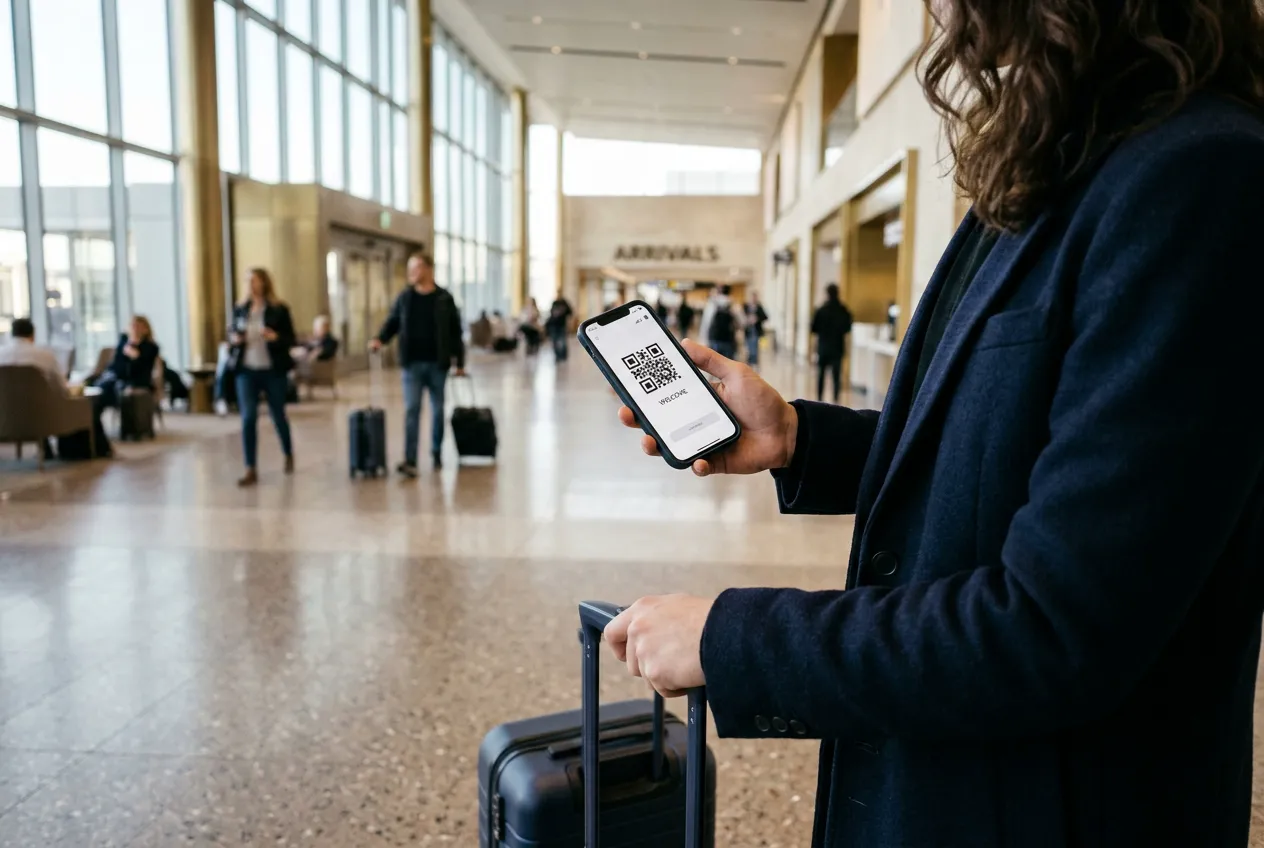
eSIM Lounge is an online store for travel data eSIMs: a traveler picks a plan for their destination, pays, and gets a QR code by email a minute later. Behind the page sits a wholesale supplier's catalogue of thousands of plans, a pricing rule that refuses to sell at a loss, a checkout that only issues an eSIM once the payment is confirmed, and a back office an AI assistant can work in. We built it on the same machinery we use for client platforms, and we run it ourselves.
The challenge
A travel eSIM looks like a simple product and is not. The supplier's catalogue changes under you: plans appear, change cost or are withdrawn, and its own product names do not always agree with its data. A store that copies that catalogue by hand sells plans that no longer exist, at prices set on last month's costs.
Margins are thin. A typical plan leaves a few dollars after the supplier and the card fee, so one price typed wrong, or one plan left on sale after its cost went up, loses money on every order.
The buyer is about to travel and needs the eSIM to work on arrival. Delivery has to be automatic and dependable, and a failure has to be caught and retried before the traveler notices.
And a new store starts with no audience. Every destination needs its own page with real, checked information, which is a lot of writing for a small team.
Our approach
We gave every piece of data exactly one owner. The supplier import owns the plan definitions and our cost; one price sheet, exported and re-imported as a spreadsheet, is the only way to set a price or put a plan on sale. Every price goes through a guard that refuses anything under cost plus card fees plus a minimum margin, and every change is logged with who made it.
Checkout runs on Stripe behind a payment layer that knows nothing about Stripe, so a second provider for another market is one adapter. Only the signed payment webhook issues an eSIM, and only when the amount paid matches the price. A background worker retries any delivery that failed, and a plan the supplier refuses is taken off sale automatically.
The traveler gets the QR code, one-tap install links for iPhone and Android, and an order page that shows how much data is left. Repeat buyers find every eSIM in an installable My trips app with no password, and earn a status tier with a discount, priced so it never goes under the margin floor.
The back office is exposed to AI assistants through more than 50 MCP tools: countries, regions, articles, devices, airports, orders, prices and images. The assistant reads a whole page before editing it, writes drafts, renders a screenshot to check its work, and asks before publishing anything or changing a price. That is how the store published dozens of destination pages in its first days.
SEO is built in, not added later. A test crawls every public page on each change and fails on a missing heading, a title too long or a broken link, every page carries structured data, and search engines that support IndexNow hear about a changed page within a minute.
Results
70+
country and regional bundle pages, each with checked local information
50+
MCP tools an AI assistant uses to run the catalogue, the content and the orders
Hands-off
eSIMs issued, emailed and retried automatically after a confirmed payment
Want results like these in your company?
Tell us on a free 30-minute call where your team loses time today. We will tell you whether a project like this one fits and what it would take.
It's live and selling: browse the travel eSIM plans for your next destination.
Visit the eSIM Lounge storeStack
Have a spreadsheet or a legacy system that's holding you back?
Send us a sample. We'll show you what we can do with it.


